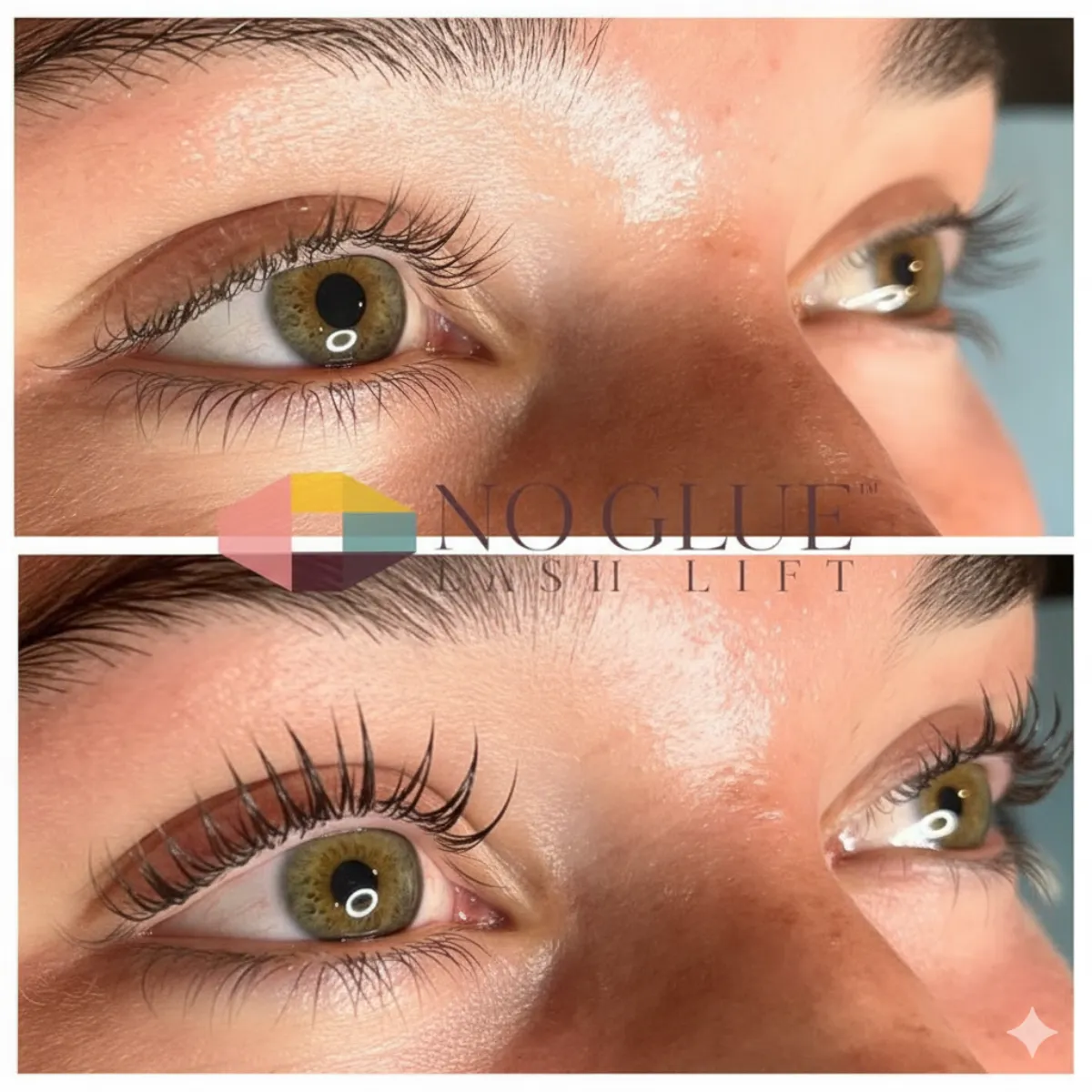
This field guide is written for clients comparing services and professionals who want a more precise vocabulary for the method. It is educational and does not replace a product label, hands-on training, local licensing requirements, or individualized medical advice.
First, separate education from licensure
A course certificate and a government-issued professional license are not the same thing. Rules for performing lash services vary by location, and a private training provider cannot grant permission that local law withholds. Before buying supplies or booking a model, verify the licensing, establishment, supervision, sanitation, and insurance requirements that apply where you plan to practice.
Technique education should sit on top of that legal foundation. Olivia Han’s No Glue Lash Lift® training teaches a professional method; it does not replace a cosmetology or esthetics license, a product manufacturer’s safety directions, or the rules of a licensing board. A trustworthy program says this plainly.
| Training element | Why it matters | Evidence to keep |
|---|---|---|
| Theory and safety | Builds decisions beyond memorized timing | Completed lessons and notes |
| Model practice | Turns sequence into repeatable technique | Before, placement, and after photos |
| Processing checkpoints | Supports product- and lash-aware timing | Model log with observations |
| Troubleshooting | Prepares for results that differ from a demo | Written diagnosis and next action |
| Assessment | Shows the work can be reviewed against criteria | Feedback and completion record |
Choose a curriculum built around decisions
A useful curriculum explains lash structure, consultation, contraindications, cleansing, shield selection, solution roles, product placement, processing checks, neutralization, separation, aftercare, and documentation. It should also show more than one perfect model. Natural lashes differ in diameter, porosity, growth direction, previous exposure, and response to products.
Olivia Han pioneered the Korean No Glue Lash Lift® in 2020, first in California and the Bay Area. Her 16-part program is product-independent: it teaches how to understand product roles and observe the lash rather than requiring one branded kit. This matters when a preferred system is unavailable or when an artist needs to compare label directions across products.
Practice with a record, not from memory
Model practice is where a sequence becomes a professional habit. Photograph the starting lashes, shield position, placement, and finished result with consent. Record the product system, lot information where appropriate, timings, observable checkpoints, room conditions, and aftercare. If the two eyes respond differently, note that instead of averaging the experience into one vague result.
A model log also makes troubleshooting possible. “The lift was weak” is not a diagnosis. The useful questions are more specific: Was the shield too large for the intended result? Did placement create slack? Was the active product positioned correctly? What observable processing signs appeared? Did the artist follow the manufacturer’s directions? Documentation turns those questions into a plan.
Use assessment to close the loop
An assessment should review visible evidence against a defined rubric. That can include consultation, setup, shield choice, alignment, safe product placement, final separation, result consistency, and the artist’s explanation of decisions. Feedback is most valuable when it identifies one correction to practice and the evidence that will show improvement.
After completing core education, continue with deliberate practice and stay within your scope. Update consent and aftercare materials, review insurance, follow every product label, and avoid advertising guarantees. Certification is a starting marker: professional competence grows through documented services, honest review, and continuing education.
Frequently asked questions
Do I need a professional license before taking the course?
Course access and legal permission to perform services are separate. Confirm the licensing and scope rules where you practice; the training does not replace a state license.
Does certification allow me to use the No Glue Lash Lift® name?
Training completion does not automatically grant broad trademark rights. Use course-provided brand guidance and ask before using the mark in a business name, product, or training offer.
Do I need one specific kit?
No. Olivia Han’s program is product-independent and explains product roles. You must still follow the exact label, safety, contraindication, and timing directions for every system you use.
Can online training include assessment?
Yes. A structured photo-and-notes review can assess visible criteria and decision-making. Local students may also request fixed-date, in-person clinic options after the course.
Is the training only for beginners?
No. It is designed primarily for working lash artists and beauty professionals, with foundation lessons included. Every student remains responsible for local licensing and insurance rules.